Home IPL Hair Removal Device
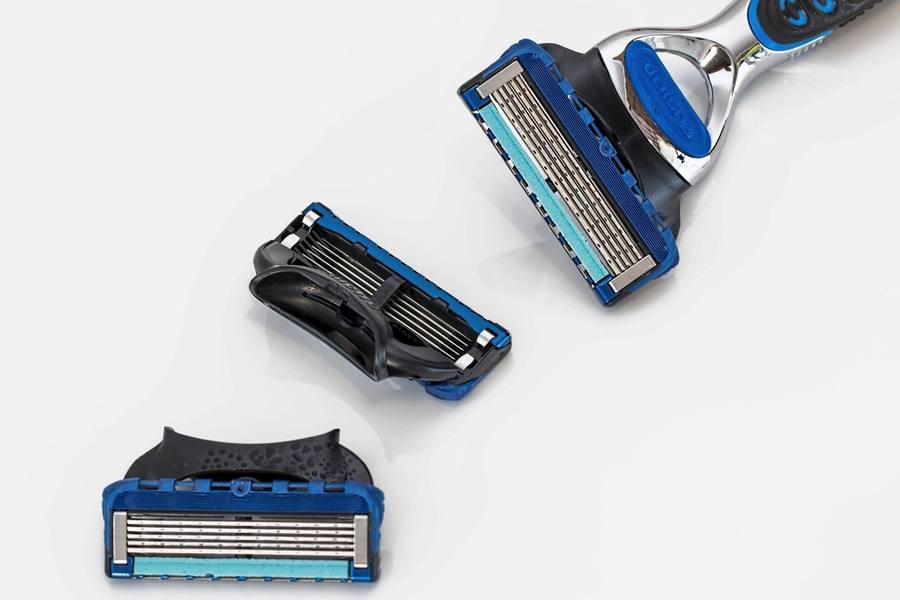
Representative image (stock photo); not the exact product.
It Only Works On Certain Combinations
IPL works by light being absorbed by pigment in the hair, which heats the follicle. That requires hair dark enough to absorb the light and skin light enough not to.
On grey, white, red or very blonde hair there is not enough pigment for the light to target, and the device simply will not work regardless of how many sessions are done.
On darker skin tones the skin itself absorbs the light, which risks burns and pigmentation changes. Most home devices specify a tone range they are safe for, and that range must be respected rather than treated as guidance.
It Is Reduction, Not Removal
The accurate description is long-term hair reduction rather than permanent removal, meaning fewer and finer hairs rather than none.
Maintenance sessions are needed indefinitely, since follicles recover over time, and stopping entirely means gradual return.
That is a meaningfully different proposition from the marketing, and anybody expecting permanent removal after a course will be disappointed by an outcome that is nonetheless genuinely useful.
The Course Takes Months
Hair grows in cycles, and light only affects follicles in the active growth phase, which is a proportion of them at any one time.
That is why treatment requires repeated sessions over months — each session catches a different subset of follicles.
Skipping sessions or stopping partway through means many follicles were never treated in their active phase, which is the commonest reason people conclude the device does not work.
Preparation And Safety
The area must be shaved rather than waxed or plucked, since the light needs a hair in the follicle to conduct heat, and removing the root means nothing to target.
Tanned skin, including from fake tan, must not be treated, because increased pigment increases absorption and therefore burn risk. Sun exposure before and after sessions should be avoided.
Tattoos, moles and permanent makeup must be covered or avoided entirely, and the device must never be used near the eyes or on the face above the cheekbones.
Who Should Not Use One
Pregnancy, photosensitising medication, a history of skin cancer, active skin infection, and certain conditions affecting pigmentation are all reasons to seek medical advice first.
Anybody uncertain about their skin tone suitability should not guess, since the consequence of getting it wrong is burns and lasting pigmentation change.
A patch test on a small area, waiting the specified period before proceeding, is a required step rather than an optional one.
Flash count and lamp life are worth checking because some devices have a replaceable lamp cartridge with a finite number of flashes and others are rated for the life of the unit. A device needing cartridge replacements has an ongoing cost that changes the comparison against professional treatment considerably, and a cartridge that is discontinued in a few years leaves you with a device that cannot be used at all regardless of its condition.
The Verdict
A genuinely effective device for the specific combination of dark hair and lighter skin, delivering long-term reduction over months of consistent sessions.
It does nothing on light hair, risks burns on darker skin, requires indefinite maintenance, and cannot be used on tanned skin.
Check your hair and skin tone against the device range honestly. Outside it, this either does nothing or causes burns.
At a glance
Pros
- Genuine long-term hair reduction for suitable users
- Done at home over convenient sessions
- Cheaper than a course of professional treatment
- Results build steadily over a treatment course
Cons
- Ineffective on grey, white, red or very blonde hair
- Burn and pigmentation risk on darker skin tones
- Reduction rather than permanent removal
- Cannot be used on tanned or fake-tanned skin
Frequently asked questions
Will it work on my hair?
Only if the hair is dark enough to absorb the light. On grey, white, red or very blonde hair there is not enough pigment to target, and the device will not work regardless of how many sessions you do.
Is it safe on my skin tone?
Devices specify a tone range, and it must be respected rather than treated as guidance. On darker skin the skin itself absorbs the light, risking burns and lasting pigmentation change. Never guess, and always patch test first.
Is it permanent?
It is long-term reduction rather than removal — fewer and finer hairs rather than none, with maintenance sessions needed indefinitely. Follicles recover over time, so stopping entirely means gradual return.
Specifications
| Type | Home intense pulsed light device |
| Requires | Dark hair and lighter skin |
| Ineffective on | Grey, white, red, very blonde hair |
| Result | Long-term reduction, not removal |
| Course | Repeated sessions over months |
| Preparation | Shave; never wax or pluck |
| Never treat | Tanned skin, tattoos, moles, above cheekbones |
| Required | Patch test before first full use |
The bottom line
Genuinely effective for dark hair on lighter skin, as reduction rather than removal. Outside that range it does nothing or burns.
Check Price on Amazon