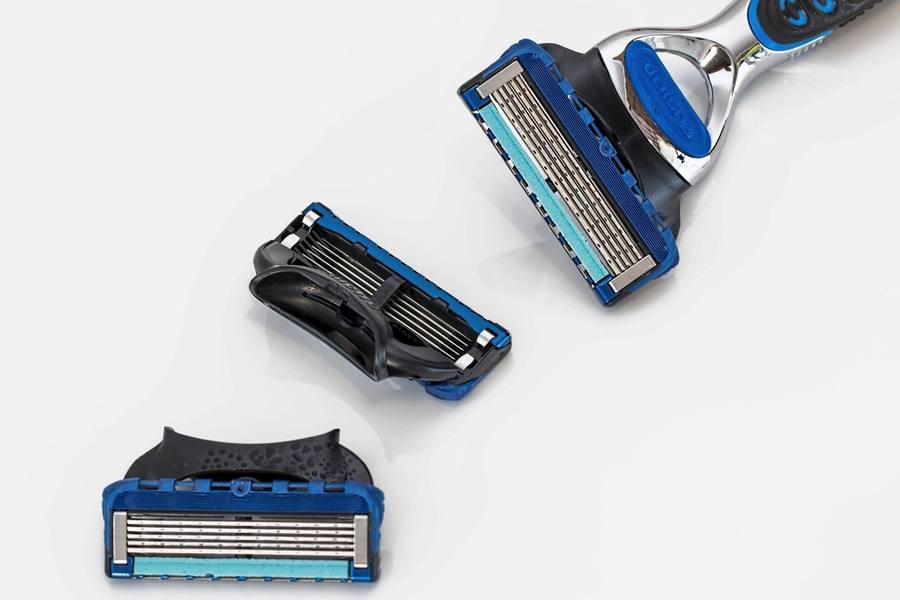
Representative image (stock photo); not the exact product.
Rounded Tips Are The Safety Feature
Face and beard trimmers have blades designed for relatively flat firm skin, and body areas have loose, mobile and sensitive skin that behaves differently.
Body trimmers use rounded blade tips and guards designed so the blade cannot catch skin that folds or moves under it.
Using a beard trimmer on body areas is how people cut themselves, and the rounded design is a genuine safety difference rather than a marketing distinction.
Trimming Rather Than Shaving
A trimmer reduces length rather than removing hair at the surface, which means no stubble regrowth stage and none of the itching that follows shaving.
It also avoids razor burn, ingrown hairs and the irritation that shaving sensitive areas commonly causes.
For most people trimming to a short guard length gives most of the practical benefit of shaving with very few of the problems, and that trade is the argument for the category.
Guards And Length Control
Guards set the length, and using one is what prevents the blade contacting skin directly, which is the safest approach in sensitive areas.
Trimming against the direction of growth gives a shorter result and considerably more irritation, and with the grain is the safer default in sensitive areas even though it leaves the hair slightly longer. Skin should also be dry for most trimmers unless the model specifies wet use, since damp hair clumps and clogs the blade, which then pulls rather than cutting cleanly and produces exactly the irritation the rounded blades were designed to avoid.
Going without a guard for a very close result removes that protection, and anybody doing so should move slowly and keep skin taut.
Starting with a longer guard and working shorter is sensible, since you can always remove more and cannot put it back.
Wet Use And Cleaning
Waterproof models can be used in the shower, which is more comfortable and makes cleaning up far easier since cut hair goes down the drain.
They also rinse clean under a tap, which matters considerably for hygiene with a device used on body areas.
Blades should be cleaned after every use and oiled if the manufacturer specifies it, since hair and skin residue left on a blade dulls it and is unhygienic.
Hygiene And Sharing
A body trimmer should not be shared, since blades contact skin and can transfer infection between people.
Replacing blades or heads when they dull is important, because a dull blade pulls hair rather than cutting it, which causes irritation and is what makes trimming uncomfortable.
Anybody with a skin infection, broken skin or an active condition in the area should wait until it has resolved rather than trimming over it.
Battery type and charging are worth a thought for a device used in a bathroom, since a model that charges on a stand rather than a plugged cable is easier to keep somewhere sensible and a model with a quick-charge function means a flat battery does not end the session. Corded operation as a backup is genuinely useful on any grooming device, because the one time it matters is the one time you discover it is flat.
The Verdict
The right tool for body hair, with rounded blades designed for skin that a face trimmer is not safe on.
Going guardless removes the main protection, blades dull and cause pulling, and a device like this should never be shared.
Use a guard. It is what keeps the blade off skin that moves and folds, which is exactly where cuts happen.
At a glance
Pros
- Rounded blade tips designed for mobile sensitive skin
- Avoids stubble itch, razor burn and ingrown hairs
- Waterproof models usable in the shower
- Guards give controlled length without blade contact
Cons
- Going guardless removes the main safety protection
- Dull blades pull hair and cause irritation
- Must not be shared between people
- Trims rather than removing hair completely
Frequently asked questions
Can I use my beard trimmer instead?
You should not. Face trimmers are designed for relatively flat firm skin, where body areas are loose, mobile and sensitive. Rounded blade tips on a body trimmer stop the blade catching skin that folds under it.
Should I use a guard?
Yes, particularly in sensitive areas — the guard is what keeps the blade off skin that moves. Going guardless for a closer result removes that protection, so move slowly and keep the skin taut if you do.
Why is it pulling rather than cutting?
A dull blade, almost always. Dull blades pull hair instead of cutting it, which causes the irritation that makes trimming uncomfortable. Replace blades or heads when they dull rather than persisting.
Specifications
| Type | Body hair trimmer |
| Key safety feature | Rounded blade tips |
| Not suitable | Using a beard trimmer on body areas |
| Result | Trimmed length, not shaved |
| Guards | Prevent blade contacting skin |
| Wet use | Waterproof models; easier cleanup |
| Maintenance | Clean after every use; replace dull blades |
| Hygiene | Never share |
The bottom line
Rounded blades make it safe where a beard trimmer is not. Use a guard, keep the blade sharp, and never share it.
Check Price on Amazon