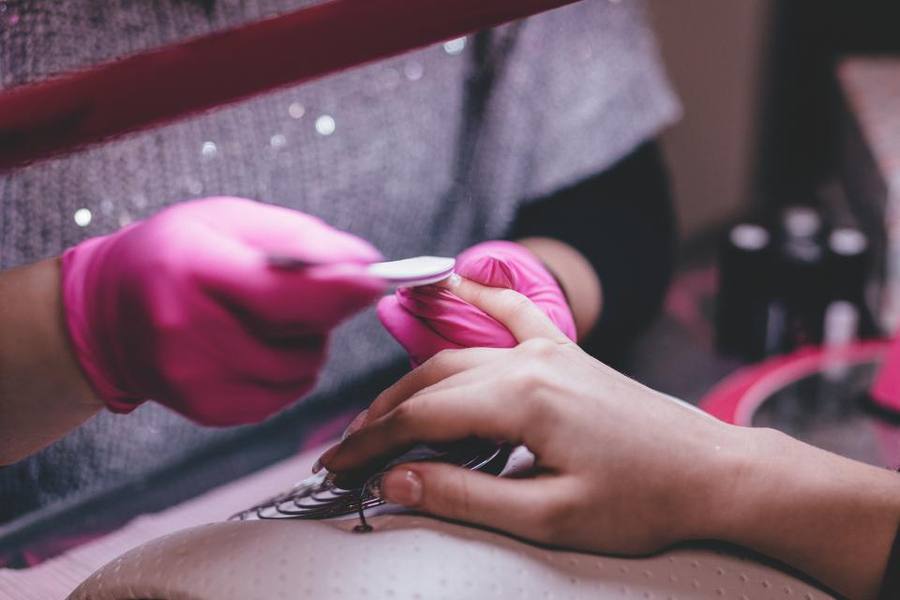
Representative image (stock photo); not the exact product.
Speed Is Also The Risk
An electric file removes material far faster than a hand file, which makes shaping and gel removal quick and makes over-filing equally quick.
The nail plate is thin, and filing through into the sensitive layers beneath causes pain, damage and potential infection.
The correct approach is low speed, light touch and frequent checking, and the instinct to press harder and speed up is exactly wrong with this tool.
Never File The Natural Nail Surface
Filing the top surface of a natural nail to roughen it for polish adhesion thins the plate permanently and causes weakness and splitting.
This is a common practice and a genuinely damaging one, and any technique requiring it should be avoided.
The file is for shaping edges, reducing length, and removing product from enhancements, not for thinning the natural nail.
Heat Is A Real Problem
Friction generates heat, and a bit held in one place builds heat rapidly enough to burn the nail bed, which is painful and can damage the matrix.
Keeping the bit moving constantly, using lower speeds and taking breaks prevents it, and any sensation of heat means stopping immediately.
People wearing thick enhancements may not feel the heat until the damage is done, which is why constant movement rather than reliance on sensation is the rule.
Cuticles And Infection
The cuticle seals the gap between nail and skin and is a barrier against infection, and cutting or aggressively removing it opens that barrier.
Gently pushing back the softened cuticle is the safe approach, and removing only the dead tissue on the nail plate rather than the living seal at the base.
Anybody with diabetes, circulatory problems or reduced sensation in the hands or feet should not use an electric file on themselves and should see a professional.
Speed control is the feature that separates a usable device from a dangerous one, and any file offering only a single high speed should be avoided for natural nails entirely. Lower speeds give time to see what is happening and to stop, which is the whole safety margin with this tool.
Bits, Hygiene And Dust
Bits must be disinfected between uses and never shared, since nail tools transfer fungal and bacterial infections readily.
Filing generates fine dust that should not be breathed, and a dust mask is sensible for anything more than occasional brief use.
Bits also wear and should be replaced, since a worn bit requires more pressure and generates more heat, which compounds both risks.
Bit material is worth understanding since carbide bits cut aggressively and are intended for removing product from enhancements, where ceramic bits generate less heat and sanding bands are gentler still and disposable. Using a carbide bit on a natural nail is the combination that does the most damage fastest, and matching the bit to the job rather than using whichever came attached is most of what separates safe use from harmful use.
The Verdict
An effective and fast tool for shaping and product removal, with a real capacity to damage nails in the hands of somebody working too quickly.
The nail plate is thin, heat burns the nail bed, and cuticle damage opens an infection route.
Keep the bit moving and never file the natural nail surface. Both cause damage that takes months of growth to correct.
At a glance
Pros
- Much faster than hand filing for shaping and product removal
- Interchangeable bits cover different tasks
- Effective for reducing length on thick nails
- Good control at low speeds with a light touch
Cons
- Very easy to over-file a thin nail plate
- Friction heat can burn the nail bed
- Cuticle damage opens an infection route
- Generates dust that should not be breathed
Frequently asked questions
Can I use it on my natural nails?
For shaping edges and reducing length, yes, carefully. Never on the top surface to roughen it for polish — that thins the plate permanently and causes weakness and splitting, and any technique requiring it should be avoided.
Why does it get hot?
Friction. A bit held in one place builds heat fast enough to burn the nail bed and damage the matrix. Keep it moving constantly, use lower speeds, and stop immediately at any sensation of heat — which thick enhancements can mask.
Should I remove my cuticles?
No. The cuticle seals the gap between nail and skin against infection. Gently push back the softened cuticle and remove only dead tissue on the nail plate, never the living seal at the base.
Specifications
| Type | Rotary electric nail file |
| Technique | Low speed, light touch, constant movement |
| Never | File the natural nail surface |
| Heat | Burns nail bed if the bit is held still |
| Cuticles | Push back gently; never cut the living seal |
| Hygiene | Disinfect bits; never share |
| Dust | Mask sensible for extended use |
| Do not use | With diabetes, circulatory problems or reduced sensation |
The bottom line
Fast and easy to overdo. Keep the bit moving, never file the natural nail surface, and leave the cuticle seal alone.
Check Price on Amazon