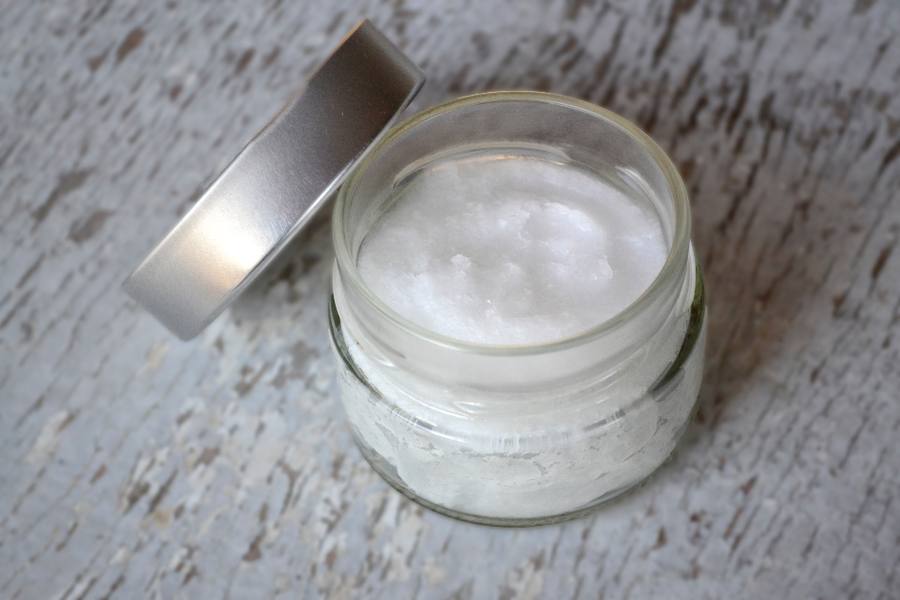
Representative image (stock photo); not the exact product.
The Warm Bath Is Doing The Work
Warm water relaxes muscles, increases local blood flow and reduces the sensation of tension, and that effect is well established and genuinely useful.
Adding epsom salts makes the bath feel different and pleasant, and most of the reported benefit is attributable to the warm bath itself.
Being clear about that is not a dismissal — a warm bath is a genuinely effective way to ease muscle tension, and the salts are an inexpensive addition to something that already works.
Magnesium Absorption Is Not Well Supported
The central claim is that magnesium is absorbed through the skin in meaningful amounts, and the evidence for that is weak.
Skin is an effective barrier and studies attempting to demonstrate significant transdermal magnesium uptake have been small and inconclusive.
Anybody genuinely magnesium deficient should discuss it with a doctor rather than relying on bathing, since deficiency is diagnosed and treated properly rather than approximated.
Where It Genuinely Helps
Warm baths are well supported for muscle relaxation, and many people find them useful before sleep because the subsequent drop in body temperature supports falling asleep.
Epsom salts can also help draw fluid from swollen areas in some circumstances, and foot soaks are a common and reasonable use.
The pleasantness and the ritual have real value for relaxation independently of any biochemical mechanism.
Water Temperature And Duration
Very hot baths cause dizziness on standing, dry skin, and are inadvisable for anybody with cardiovascular conditions or during pregnancy.
Comfortably warm rather than hot, for twenty minutes or so, is the sensible approach, and longer or hotter does not increase benefit.
Hydration is worth attending to as well, since a long warm bath causes fluid loss through sweating that people do not notice because they are already wet, and drinking water before and afterwards prevents the mild dehydration that contributes to the light-headedness people attribute entirely to the heat.
Standing up slowly matters, particularly after a long warm bath, since blood pressure drops and fainting in a bathroom is how people get injured.
Skin Considerations
Long soaks dry skin by disrupting the barrier, and anybody with eczema or dry skin should keep baths short and moisturise immediately afterwards.
Epsom salts are generally well tolerated and can irritate broken or very sensitive skin.
Anybody with open wounds, infections, diabetes with foot complications, or kidney problems should get medical advice before regular salt soaking.
Quantity is worth getting roughly right rather than guessing, and most guidance suggests a couple of handfuls or around a cupful for a standard bath, dissolved in the running water so it disperses rather than sitting at the bottom. Using considerably more does not increase any benefit and simply costs more and can leave a residue on skin that then needs rinsing. Adding it to running hot water at the start and letting the bath fill is the simplest way to ensure it dissolves completely.
The Verdict
A cheap pleasant addition to a bath that genuinely helps muscle tension, with the warm water rather than the magnesium doing most of the work.
Transdermal magnesium absorption is not well supported, long hot baths dry skin, and several conditions warrant medical advice first.
The warm bath is what works. The salts are pleasant and cheap, and the magnesium absorption claim is not well supported.
At a glance
Pros
- Warm bathing genuinely relaxes muscles
- Supports falling asleep through subsequent temperature drop
- Very cheap
- Foot soaks are a reasonable and practical use
Cons
- Transdermal magnesium absorption is not well supported
- Long hot baths dry skin and disrupt the barrier
- Inadvisable very hot with cardiovascular conditions or in pregnancy
- Can irritate broken or sensitive skin
Frequently asked questions
Does magnesium absorb through skin?
The evidence is weak. Skin is an effective barrier and studies attempting to show significant transdermal uptake have been small and inconclusive. Anyone genuinely deficient should see a doctor rather than relying on bathing.
So does it do anything?
The warm bath genuinely relaxes muscles and increases local blood flow, which is well established, and many people find it helps them fall asleep. The salts are a pleasant, cheap addition to something that already works.
How long should I soak?
Around twenty minutes in comfortably warm rather than hot water. Longer or hotter does not increase benefit, dries skin, and causes dizziness on standing — which is how people get injured in bathrooms.
Specifications
| Type | Magnesium sulphate bath soak |
| Main mechanism | The warm bath itself |
| Magnesium absorption | Not well supported |
| Well supported | Muscle relaxation from warm water |
| Temperature | Comfortably warm, not hot |
| Duration | Around twenty minutes |
| After a long bath | Stand slowly; blood pressure drops |
| Seek advice | Cardiovascular conditions, pregnancy, diabetes, kidney problems |
The bottom line
The warm bath does the work, and it works. The salts are cheap and pleasant; the magnesium absorption claim is not supported.
Check Price on Amazon